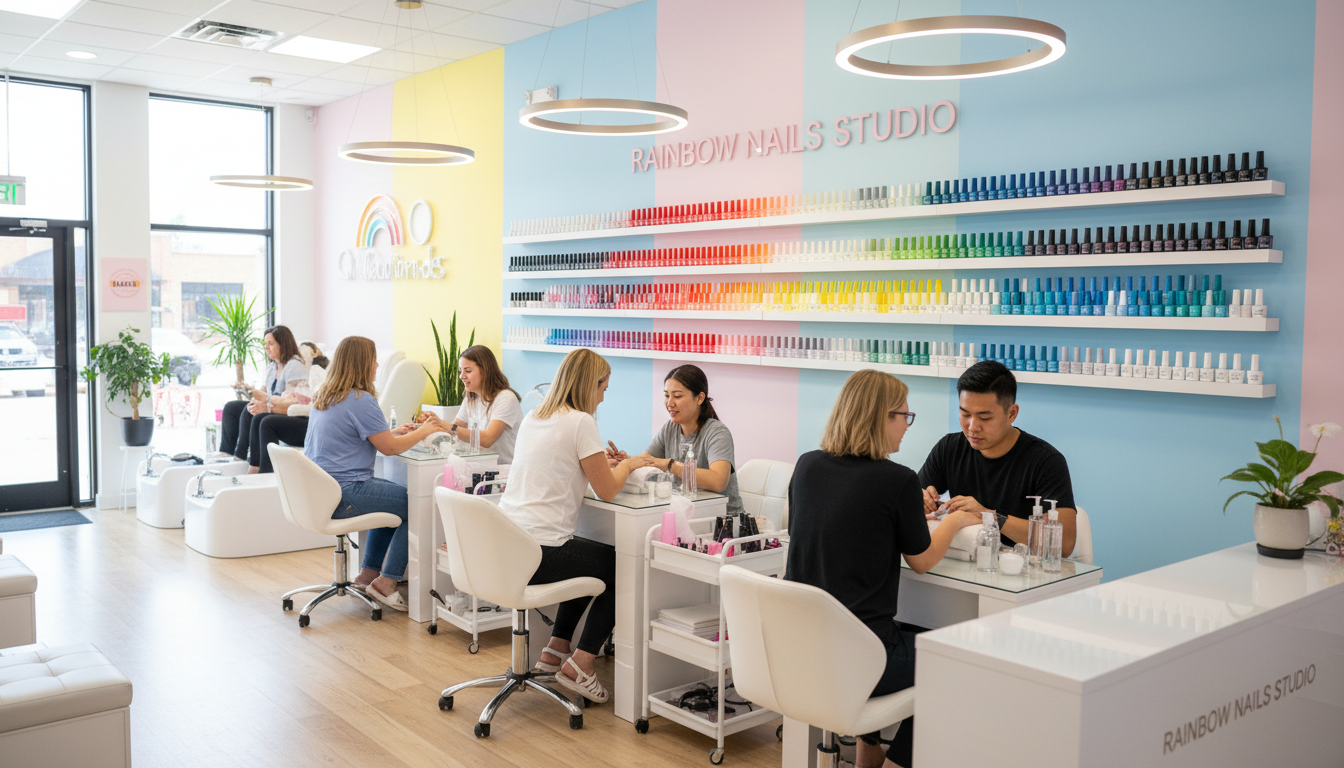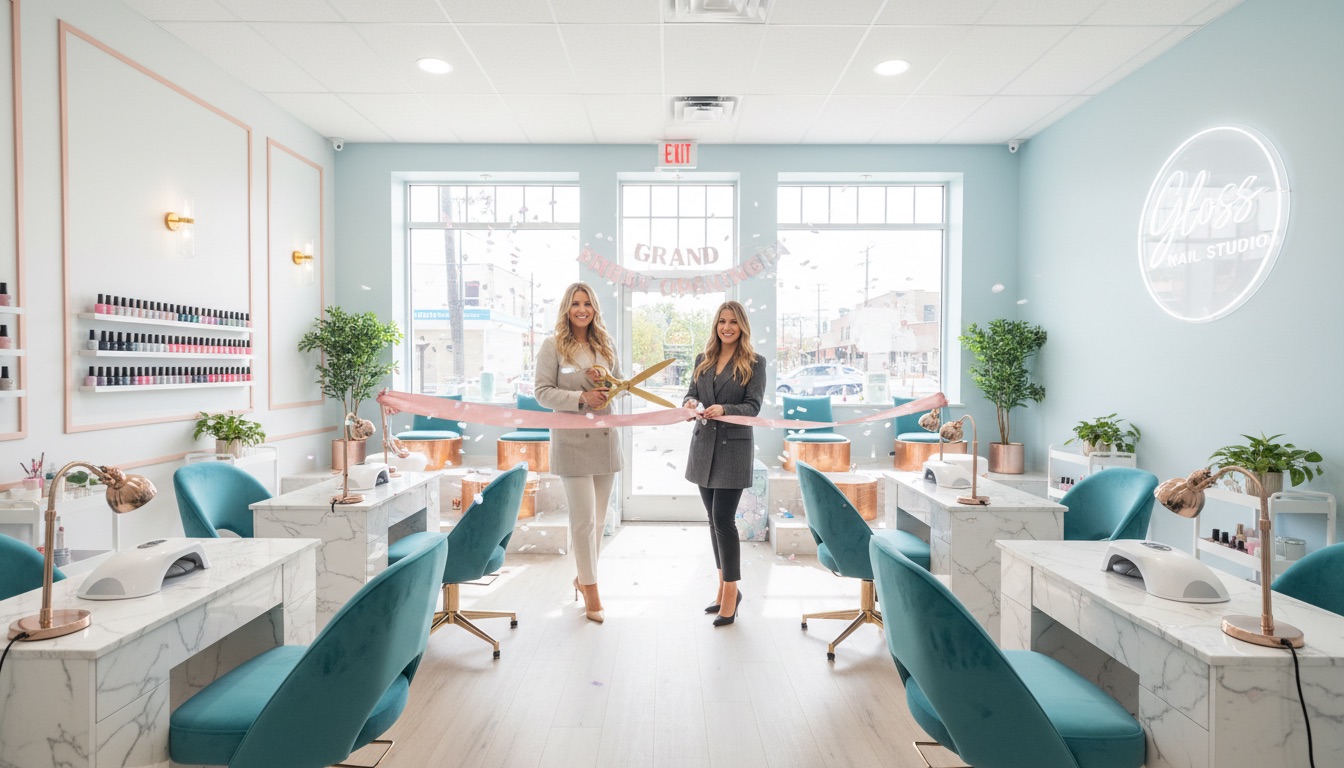
Opening a nail salon is one of the most accessible beauty businesses to start. The overhead is manageable, the demand is consistent, and repeat clients are the norm. But there's a difference between opening and thriving. The salons that succeed long-term get the fundamentals right before they open the doors.
Here's everything you need.
Licensing and legal
This isn't the exciting part, but it's the most important. Operating without proper licensing can result in fines, forced closure, and a reputation hit you'll never recover from.
- State cosmetology or nail technician license — requirements vary by state. Check your state board of cosmetology for exam requirements and fees
- Business license — register your business with your city or county. You'll choose a structure (LLC is most common for small salons) and register your business name
- Salon establishment license — most states require a separate license for the physical location, independent of your personal license
- Employer Identification Number (EIN) — you'll need this from the IRS to hire employees and open a business bank account
- Insurance — general liability insurance protects you against client injury claims. If you'll have employees, you also need workers' compensation insurance
- Health department inspection — schedule this before your opening date. They'll check sanitation procedures, ventilation, and equipment sterilization
Don't skip any of these. Get a folder (physical or digital) and keep every license, permit, and insurance document in one place. You'll reference them more often than you think.
Location and setup
- Foot traffic matters — nail salons thrive in strip malls, shopping centers, and high-visibility street locations. A second-floor office suite with no signage will struggle no matter how good your work is
- Ventilation is critical — nail products produce fumes that are a health hazard without proper airflow. Invest in a commercial ventilation system or you'll face health department issues and staff complaints
- Plan for 4-8 stations to start — this gives you room to hire a few techs without overcommitting on rent. You can always add stations later
- Waiting area — even a small one reduces walkaway rates for walk-in clients. A few chairs, a charging station, and good lighting go a long way
- Plumbing for pedicure stations — if you'll offer pedicures (and you should), make sure the space has plumbing access near where you'll put the pedicure chairs
Negotiate your lease carefully. Ask for a buildout allowance, especially if the space needs ventilation work. A 3-year lease with an option to renew gives you stability without locking you in forever.
Equipment essentials
- Manicure tables and ergonomic chairs (for both clients and techs)
- Pedicure spa chairs with plumbing
- UV/LED curing lamps (at least one per station)
- Nail polish, gel, acrylic, and dip powder supplies
- Sterilization equipment (autoclave is the gold standard)
- Towels, disposable liners, files, buffers, and cleaning products
- A display wall or rack for polish colors
Buy quality sterilization equipment. This is where health inspectors look first, and it's what protects your clients from infection. An autoclave costs $200-500 and is worth every penny.
Pricing your services
Research local competitors within a 5-mile radius. Price within 10-15% of the market rate. Common starting prices in 2026:
- Basic manicure: $20-35
- Gel manicure: $35-55
- Full set acrylics: $45-75
- Pedicure: $30-50
- Dip powder: $40-60
Don't underprice to attract clients. It's hard to raise prices later, and rock-bottom pricing attracts bargain hunters who won't stay loyal when someone cheaper opens down the street. Price fairly, deliver great work, and let quality be your differentiator.
Consider offering service add-ons (nail art, hand massage, paraffin treatment) at $5-15 each. These increase your average ticket without requiring more chair time.
Setting up your booking and payment system
From day one, you need four things working:
- Online booking — let clients book anytime, even when you're closed. Clients pick their preferred tech and service, and your calendar updates automatically
- SMS reminders — automatic text reminders reduce no-shows before they happen. This pays for itself immediately
- A client database — track preferences (favorite polish brands, allergies, notes from past visits) so every appointment feels personal
- POS checkout — accept card, cash, check, gift cards, and store credit. Look for a system that handles split payments and tracks tips automatically
Set this up before you open, not after. Your first clients should be able to book online and get reminders from day one. Walking into a new salon that already runs professionally makes a strong first impression. SupaDay offers a 30-day free trial so you can get everything configured before your grand opening.
Hiring your first techs
Start with 2-3 techs plus yourself. Hiring too many people before you have the client volume to support them burns cash fast.
When interviewing, watch them work. A 15-minute practical test tells you more than a 30-minute conversation. Look for clean technique, speed, and how they interact with the client.
Decide on your compensation structure early. Options include:
- Hourly wage plus tips — simplest, good for new salons
- Commission-based — techs earn a percentage of each service they perform, which motivates productivity
- Booth rental — techs pay you rent and keep everything they earn. Less management, but less control over the client experience
If you go the commission route, tracking it manually gets painful fast. A booking system with built-in commission tracking handles the math automatically.
Marketing your opening
- Google Business Profile — set this up immediately with photos, hours, services, and your booking link. This is how most new clients will find you
- Instagram — post your work daily. Nail art is one of the most visual categories on Instagram. Before-and-after shots, close-ups of designs, and short videos of the process all perform well
- Opening promotion — offer 20% off the first visit to build your initial client base. Make it a one-time offer, not ongoing
- Ask every client for a review — after each appointment, send a text with a direct link to your Google review page. The first 20-30 reviews are what move you up in local search
The bottom line
Opening a nail salon is manageable if you plan the fundamentals: licensing, location, pricing, and systems. Get your booking and payment software running before you open so you look professional from day one. Nail the basics, deliver great work, and the repeat clients will come. See how SupaDay works for nail salons.