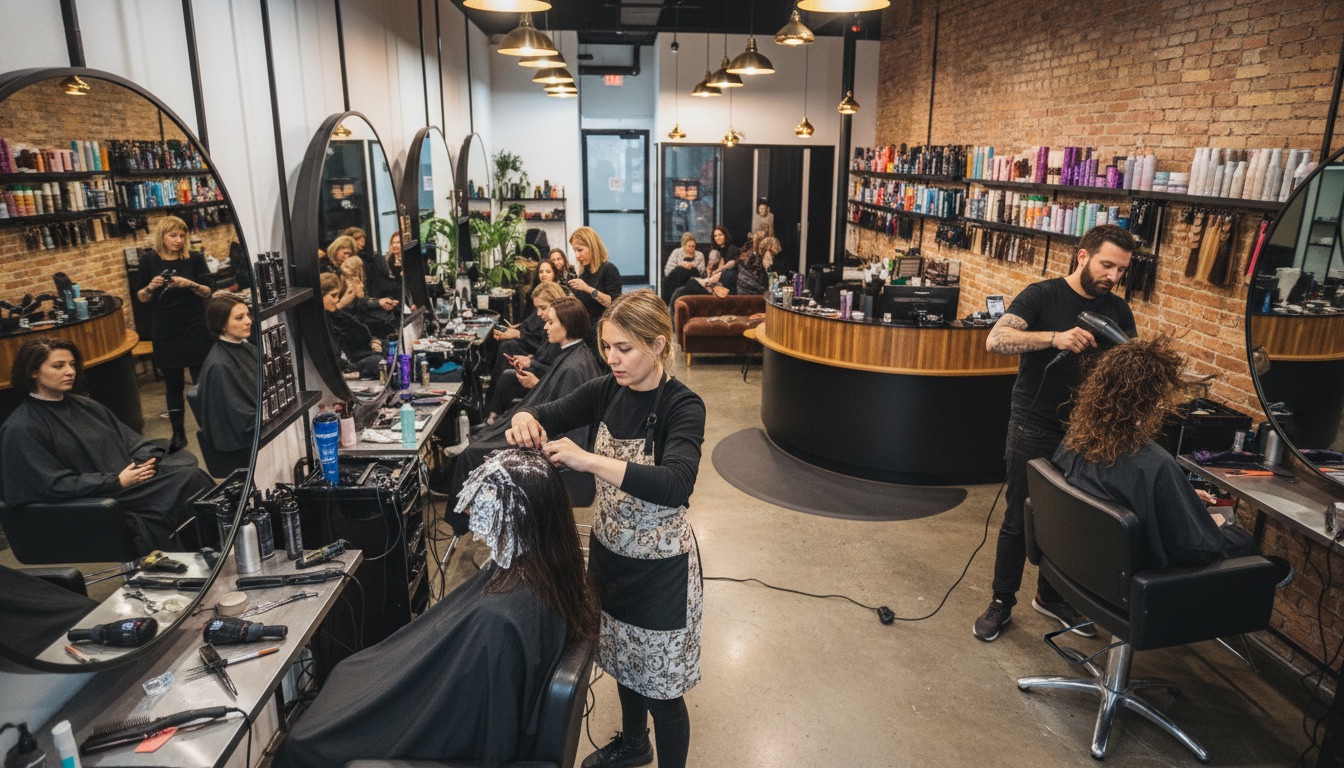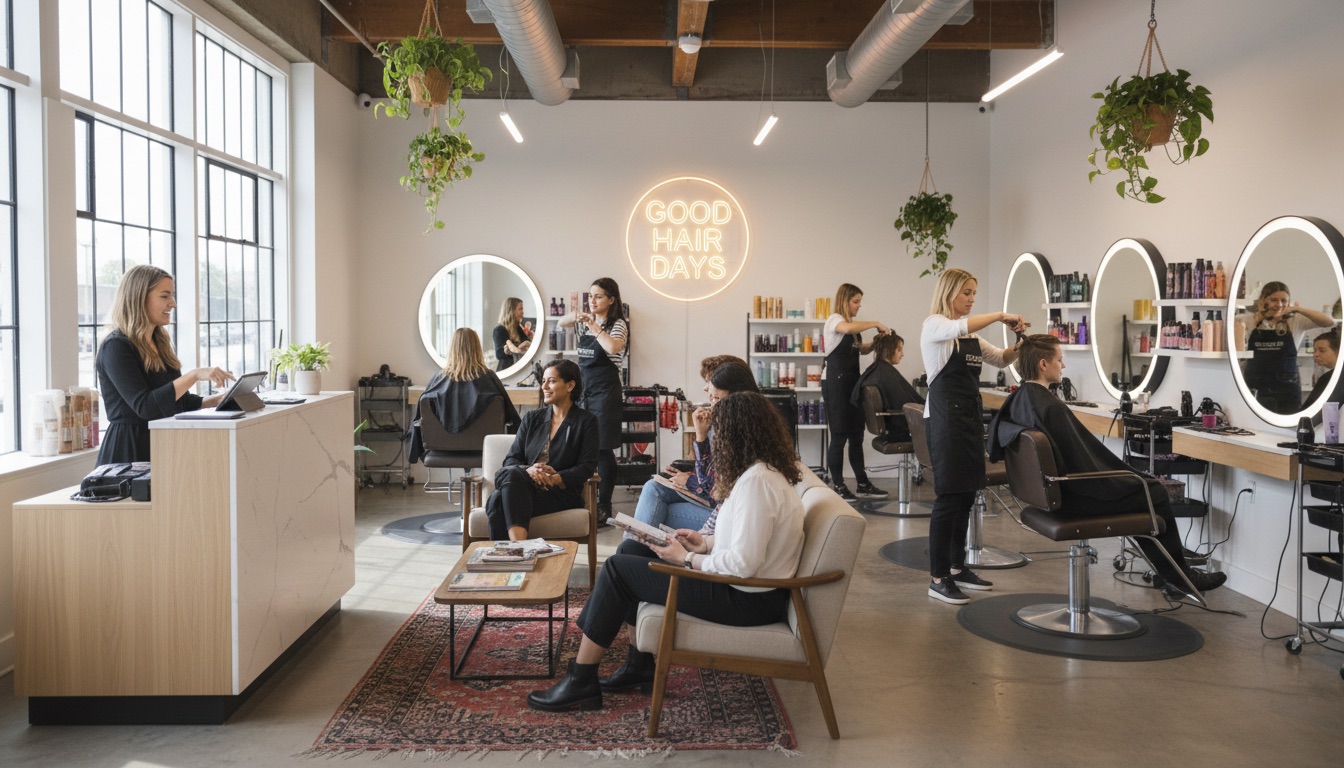
Walk-ins are unpredictable revenue. Some days they fill your empty chairs, other days they show up when every stylist is elbow-deep in foils. The trick isn't choosing between walk-ins and appointments — it's having a system that handles both without the chaos.
The walk-in vs. appointment conflict
Here's what usually goes wrong in salons that accept both:
- A walk-in gets squeezed in, and a booked client gets bumped. The front desk fits someone in, not realizing a scheduled client is arriving in 20 minutes. Now you're running behind all afternoon.
- Two stylists grab the same walk-in, or nobody does. Without a clear system for who's next, walk-in assignments become a source of confusion — or worse, arguments.
- Walk-in clients wait too long because nobody knows who's available. The client sits in the waiting area while your team finishes up, but no one communicates a timeline. The client eventually leaves.
- Your best time slots get blocked by walk-ins. A walk-in takes your 2pm slot, and your regular client who always books 2pm can't get in.
All of these are visibility problems. When your team can see real-time availability and walk-in assignments are handled systematically, the conflicts disappear.
Build a system that handles both
Start with a shared calendar everyone can see
Everyone on your team needs to see the same booking calendar — and it needs to update in real time. When a stylist finishes early or runs late, the calendar should reflect that immediately.
When a walk-in arrives, the front desk checks the calendar for the next open slot and books it on the spot. No shouting across the salon, no guessing, no "let me check with Sarah."
Digital calendars beat paper books here. A paper appointment book can't show you that a 1pm appointment just canceled, or that your 2pm is running 15 minutes behind. A digital calendar updates instantly and everyone sees the same information.
Use a turn tracker for walk-in assignments
A staff turn tracker rotates walk-ins fairly across your team. The system tracks half and full turns so the next available stylist gets the next walk-in. No favoritism, no arguments, no "it's my turn" debates.
This is especially important in salons where stylists earn commission. Fair rotation means fair earning opportunities. When walk-in assignments are handled by a system instead of a person, your team trusts the process.
Here's how it works in practice: a walk-in arrives, the front desk checks the turn tracker, and the system shows which stylist is up next. That stylist takes the client. If that stylist is mid-service, the next one in rotation gets the assignment. Staff can see the queue in real time, so everyone knows where they stand.
Set up a check-in system for arrivals
A customer check-in system lets walk-ins register themselves when they arrive. Place a tablet or QR code at the front desk, and clients can check in without interrupting whoever is working reception.
Check-in works for three types of arrivals:
- Clients with existing appointments can look up their booking by phone number
- Walk-ins who want a specific stylist can select their preferred provider
- Walk-ins who want anyone available can join the queue for the next open chair
Once they check in, the client sees a confirmation that they're registered, and your team gets notified. This keeps the front desk from becoming a bottleneck during busy periods.
You can set up a tablet in kiosk mode with a QR code, so clients scan and check in from their own phone. This is especially useful for salons without a dedicated receptionist — clients can check themselves in while your team stays focused on the clients in their chairs.
Block buffer time between appointments
Leave 10-15 minutes between booked appointments. This serves two purposes: it gives you breathing room if a service runs long, and it creates small windows where you can fit in a quick walk-in service.
Buffer time is the difference between a salon that runs smoothly and one where everything snowballs. One appointment running 10 minutes over shouldn't derail your entire afternoon.
Some salons block a longer buffer — 20-30 minutes — during peak walk-in hours (usually late mornings and Saturday afternoons). This gives them more flexibility to absorb unexpected traffic without pushing back booked clients.
Designate walk-in hours strategically
Not every hour needs to accommodate walk-ins equally. Look at your booking data and identify your slow periods. Those are your prime walk-in hours.
Consider promoting walk-in availability during off-peak times. A sign that says "Walk-ins welcome Tuesday through Thursday" sets expectations and steers walk-in traffic to times when you actually have capacity.
During peak hours, you might limit walk-ins to quick services only — trims, beard lineups, bang trims — that don't take a full time slot. This way you still capture the revenue without disrupting your booked schedule.
Train your front desk
Your system is only as good as the person running it. Make sure your front desk team knows:
- How to check the calendar before accepting a walk-in
- How to use the turn tracker to assign the right stylist
- What to tell the walk-in client — be honest about wait times rather than overpromising
- When to say no — if every stylist is booked solid for the next two hours, it's better to suggest the client come back or book online than to squeeze them in and make everyone miserable
A well-trained front desk person can handle a rush of walk-ins without breaking a sweat. An untrained one will create chaos even on a slow day.
Use online booking to shift walk-ins to appointments
The best long-term strategy is converting walk-in clients into appointment clients. When a walk-in finishes their service, ask if they'd like to book their next visit. Hand them a card with your online booking link.
Over time, this reduces the unpredictability. Clients who used to just show up start booking ahead — which means fewer surprises and better schedule utilization for your team.
The bottom line
Don't turn away walk-ins — build a system that absorbs them. A shared calendar gives your team real-time visibility. A turn tracker keeps assignments fair. A check-in system handles arrivals without overwhelming your front desk. And buffer time between appointments gives you the flexibility to say yes without the chaos. Put these pieces together, and walk-ins become a reliable revenue stream instead of a daily headache.